

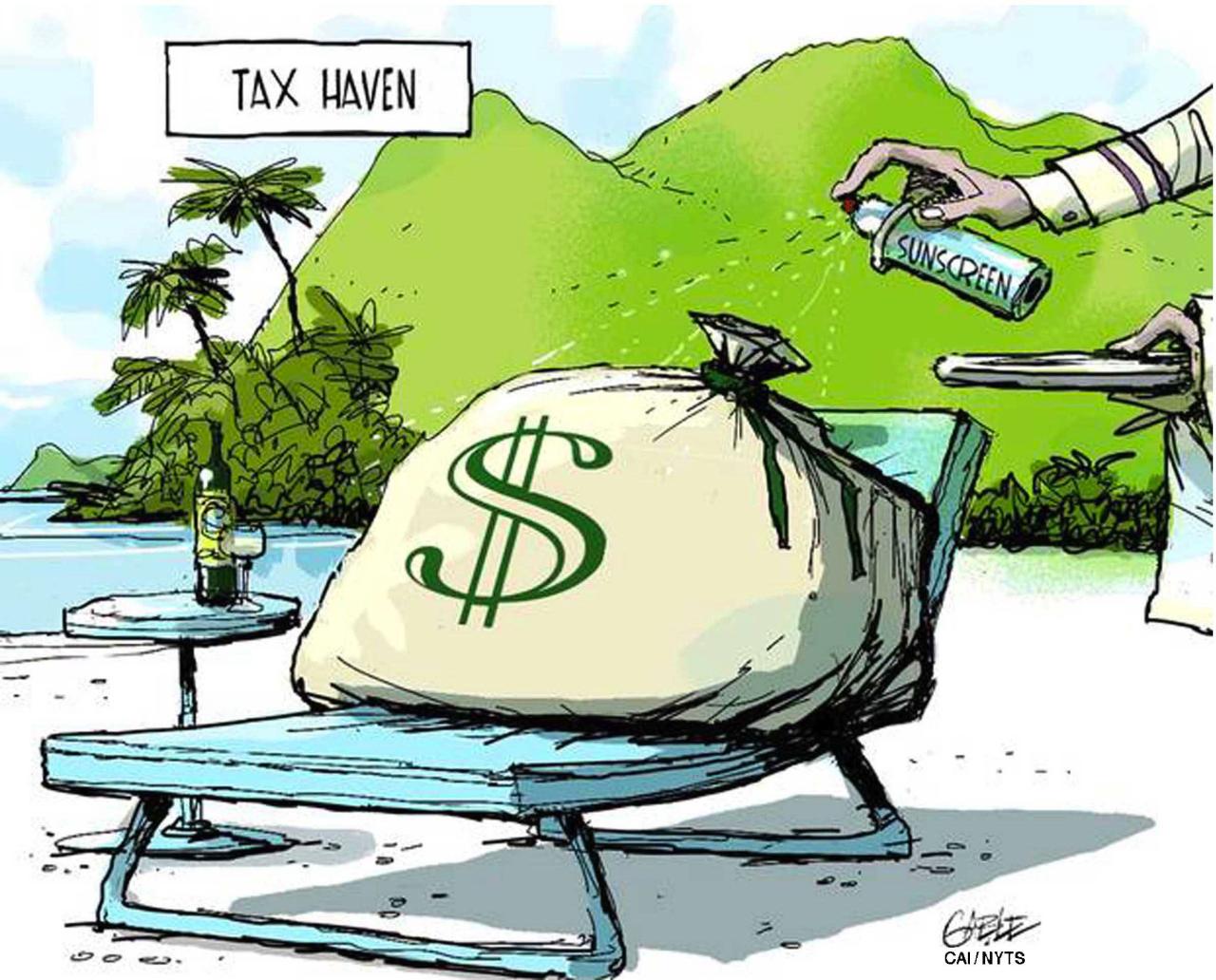
In recent years, a subtle but deepening transformation has been underway across the US financial universe. Increasing numbers of America’s ultra-rich are packing their bags—not for private vacations, but for financial liberty. From the tropical charm of Puerto Rico to the Uruguayan refinement of Europe, tax havens have become the destination of choice for the super-rich. But why is this wealth flight occurring, and what are its implications over the long run?

The Lure of Lower Taxation
For one, perhaps the single most compelling driving force behind this movement is taxation. The United States boasts one of the highest marginal income tax rates among the advanced economies. For the majority of high-net-worth individuals, this represents an insupportable burden. In contrast, Puerto Rico offers a highly appealing alternative under Acts 60 and 20/22, which provide significant tax advantages, such as no taxation on capital gains for approved residents.
Besides, Uruguay has gained prominence with its favorable tax regime, political stability, and investor-friendly residency plans. The country allows new residents to delay taxation on foreign-earned income for up to 11 years—a highly attractive proposition for foreign business tycoons, hedge fund managers, and crypto billionaires.
A Strategic Financial Move
What looks like a simple change of address often reflects a calculated financial strategy. The ultra-wealthy relocate to tax havens to cut tax costs, protect their privacy, invest in prime real estate, and enjoy top-tier living standards.
For many, it’s not just about avoiding taxes—it’s about shielding assets from economic instability and unpredictable regulations. As discussions of wealth taxes grow louder in Washington, high earners act early to protect their financial future.

Economic Impact on Host Nations
Of course, all of this has far-reaching effects on host economies. Foreign investment in Puerto Rico, for instance, has energized some sections of the island, generating new employment opportunities and stimulating the real estate market. But others claim that this has also helped fuel gentrification and increasing living expenses for natives.
Similarly, Uruguay is also experiencing a rise in projects of luxury developments and boutique investment firms. Although this serves to further the economy, it is also accompanied by the challenge of providing fair access for the local population.
The Future of Tax Havens
Looking ahead, international controversy over tax havens is only rising in decibels. As governments seek to close loopholes and increase transparency, heat will be put on these places. However, for now, Puerto Rico and Uruguay are a legal, strategic advantage for those who want to keep their assets in a more regulated world.
Final Thoughts
At its core, America’s wealth shift is not just a trend—it’s a reconfiguration of economic priorities, jurisdictions, and global power. As the super-rich keep flowing into low-tax refuges, the impact will not only be seen in the US economy but also on the changing identities of places such as Puerto Rico and Uruguay. Whether this trend continues to grow or spread in the coming decades, one thing is sure: the era of strategic wealth migration has only just begun.