
In a world of conflict and currency collapse, is gold still the ultimate safe haven?

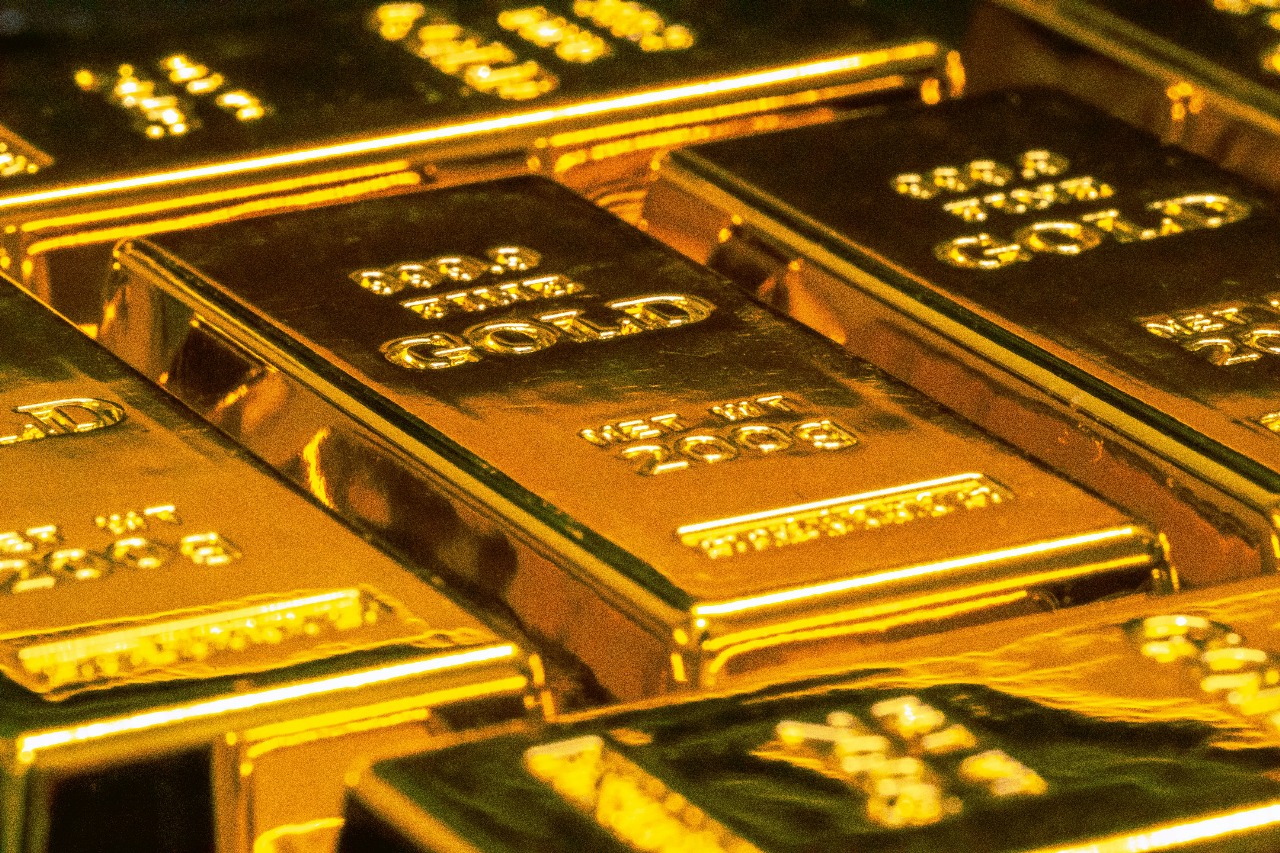
With the world facing a period of increased insecurity, heightened geopolitical anxiety, recession threats, and declining fiat currencies, gold has returned to center stage in global investment strategies. Being an asset that has been used as a haven in the past, gold has yet again fortified its standing as the market is being sheared on both sides.
Around the start of 2024 and the middle of 2025, gold prices were recorded to have reached new heights, exceeding the value of US$2,400 per troy ounce. The latter was caused by a combination of stubborn inflation, the Fed’s interest rate cut, shifting expectations, and the rekindling of geopolitical tensions in various parts of the world.
Ole Hansen, the Head of Commodity Strategy of Saxo Bank, interviewed by Reuters (April 2024), stated that the weakening dollar, uncertainty in tariffs, and global recession fears give gold great support.
Why Gold Is Regaining Popularity in 2025
Data from the World Gold Council (WGC) shows that global central banks have consistently added to their gold reserves in the past two years. In the first quarter of 2024 alone, purchases reached 290 tons, setting a new quarterly record in history.
These purchases have primarily come from emerging economies, such as China, Turkey, and India, which are seeking to diversify their reserves away from the dominance of the US dollar.
In a recent poll conducted by Reuters, nearly 40% of central banks cited geopolitical risk as the primary reason for holding gold. “Central banks remain the foundation of the gold price rally,” Reuters wrote in its report in July 2025.
Gold as a Hedge: Not Just About Inflation
On the individual and institutional investor side, interest in gold has also increased again. David Russell, Director of Marketing at GoldCore, explains that gold has a deeper meaning amid the current global conditions.
“Gold is not just a hedge. It’s a signal,” he told Reuters.
The signal refers to growing investor distrust of the global financial system’s stability and potential disruptions from political conflicts and tensions between countries.
Even top officials of the International Monetary Fund (IMF) have acknowledged the changing outlook on gold.
Gita Gopinath, Deputy Managing Director of the IMF, in an interview quoted by Business Insider, stated that gold is now seen as an asset that is “politically neutral, can be stored domestically, and is protected from sanctions or confiscation.”
This view is particularly relevant for countries facing the risk of economic sanctions or overexposure to Western-based financial systems.
Risks and Volatility: Is Gold Still Stable?
However, the debate about gold’s place in the modern era continues. Despite increasing demand for the precious metal, some analysts warn that gold price volatility is now also exceptionally high.
This has led some investors to consider alternative assets, such as inflation-indexed bonds, the US dollar, and even digital assets like Bitcoin.
However, gold still has timeless fundamental advantages: it has no risk of default, is not dependent on the policies of any particular country, and is globally accepted as a store of value. In an increasingly polarized world, these advantages become even more critical.
As a Bloomberg market analyst put it, “Gold is not only a protector of wealth, but also a symbol of resilience to systemic uncertainty.”
As long as central banks continue to request gold, institutional investors will continue to invest in it. As long as citizens continue thinking about geopolitical and systemic threats, gold is proving that its reputation as a safe-haven asset has not (yet) been damaged.
With uncertainty around the world set to persist, gold serves as a refuge for those seeking stability in their investments, providing a reliable anchor in turbulent financial seas.
Whether you’re diversifying or defending, gold might be the insurance policy your portfolio needs.