

The global financial system is undergoing one of its most significant revolutions in decades, with cryptocurrencies at the forefront. Once considered speculative and niche, crypto assets are now firmly established as a mainstream component of modern investment portfolios.

In 2025, investor interest is shifting—not only toward established coins like Bitcoin and Ethereum, but also to innovations such as stablecoins and Real World Assets (RWA), where traditional assets are tokenized on the blockchain. This article explores the latest trends, opportunities, and challenges in crypto investment, and how they are shaping the future of global finance.

Why Cryptocurrency Remains Attractive in 2025
Cryptocurrencies continue to appeal to investors for several reasons:
-
Decentralization & Transparency – Blockchain ensures secure and verifiable transactions without reliance on central authorities.
-
High Growth Potential – Despite volatility, returns from assets like Bitcoin remain unmatched.
-
Global Accessibility – Anyone with internet access can invest, making crypto borderless.
-
Integration with Traditional Finance – Institutions such as BlackRock, Fidelity, and major banks are increasingly offering crypto-based products.
Compared to inflationary pressures and instability in traditional markets, cryptocurrencies remain a highly sought-after asset for portfolio diversification.
Bitcoin: The Digital Gold of the Future
Bitcoin remains the king of crypto in 2025, dominating in adoption and market capitalization.
Why Bitcoin is Popular:
-
Store of Value – Often referred to as “digital gold,” Bitcoin is widely used as an inflation hedge.
-
Institutional Adoption – ETFs, corporate treasuries, and hedge funds increasingly hold Bitcoin.
-
Halving Impact – The 2024 halving reduced supply, historically a catalyst for price growth.
Investment Considerations:
-
Strengths – High liquidity, institutional trust, and proven resilience.
-
Weaknesses – Significant volatility and regulatory scrutiny in some regions.
Bitcoin is expected to remain the anchor of the crypto ecosystem, providing stability in a fast-evolving market.
Ethereum: Beyond Cryptocurrency, a Platform for Innovation
If Bitcoin is digital gold, Ethereum is the engine of blockchain innovation.
Why Ethereum Matters:
-
Powers smart contracts, DeFi, NFTs, and blockchain adoption.
-
Transition to Ethereum 2.0 (Proof-of-Stake) improves scalability and efficiency.
-
Backed by a global developer community building thousands of decentralized applications (dApps).
Investment Opportunities:
-
Growth of DeFi protocols and NFT marketplaces.
-
Tokenization of assets, from real estate to art.
-
Expanding institutional support for ETH-backed products.
Ethereum’s dual role as both a digital asset and a foundation for blockchain applications makes it a standout investment in 2025.
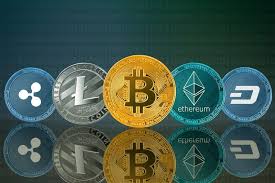
Stablecoins: The Gateway from Traditional Finance to Crypto
Stablecoins like USDT, USDC, and DAI are now essential to the crypto economy.
Why Stablecoins Are Growing:
-
Price Stability – Pegged to fiat currencies, minimizing volatility.
-
Utility – Widely used for payments, remittances, and trading pairs.
-
Institutional Use – Increasing adoption in cross-border trade and settlements.
Risks to Consider:
-
Regulatory Challenges – Governments fear loss of monetary control.
-
Centralization Issues – Most stablecoins are backed by centralized reserves.
Despite risks, stablecoins serve as the entry point for new investors and the bridge between traditional and digital finance.
Real World Assets (RWA): The Next Frontier
One of the most exciting trends of 2025 is the tokenization of real-world assets (RWA).
What Are RWAs?
RWAs are physical assets—such as real estate, commodities, and bonds—digitized as blockchain tokens.
Benefits of RWAs:
-
Accessibility – Investors can buy fractional ownership of high-value assets.
-
Liquidity – Assets can be traded globally, 24/7.
-
Transparency & Security – Blockchain ensures accurate ownership records.
Examples of RWA Adoption:
-
Tokenized real estate platforms enabling micro-investments.
-
Government bonds issued as blockchain tokens.
-
Commodities like gold being tokenized for global trade.
RWAs are positioned to become the bridge between traditional finance (TradFi) and decentralized finance (DeFi).
Opportunities in Crypto Investment 2025
Investors can benefit from:
-
Portfolio Diversification with Bitcoin, Ethereum, stablecoins, and RWAs.
-
DeFi Yield Farming for passive income.
-
Global Payment Solutions for remittances and trade.
-
Early Access to Innovations in tokenized assets and blockchain projects.
Risks and Challenges
Despite opportunities, crypto investing carries risks:
-
Volatility – Prices can swing dramatically.
-
Regulatory Uncertainty – Policies remain unclear in many regions.
-
Security Threats – Hacks, scams, and phishing attacks.
-
Market Speculation – Overhyped trends can lead to bubbles.
Smart investors balance optimism with research, diversification, and risk management.

Strategies for Safer Crypto Investment
To navigate the market, investors should:
-
HODL long-term with proven assets like Bitcoin and Ethereum.
-
Diversify across stable and high-risk assets.
-
Use staking and yield farming for additional income.
-
Stay informed and educated through research.
-
Apply risk management tools, such as stop-loss orders.
Conclusion
The crypto economy of 2025 is far more advanced than in its early days. Investors now have access to a wide spectrum of opportunities:
-
Bitcoin as a store of value.
-
Ethereum as a platform for innovation.
-
Stablecoins as a bridge to mainstream finance.
-
RWAs as the future of asset ownership.
While risks remain, crypto is increasingly part of the global financial system. The winners of tomorrow will be those who embrace innovation, manage risks wisely, and position themselves early in this new digital economy.
The era of digital assets has arrived. Are you ready to invest in the future of finance?